What are Volcanoes?
As a class, watch the first video below. This is a reminder of the structure of the earth and plate boundaries as well as some awesome footage of eruption volcanoes.
Now, put on your headphones and watch the second 360° video below on your computer. Use your mouse to look all around you on the team's journey to the heart of an active volcano! Not one for the faint hearted.
Now, put on your headphones and watch the second 360° video below on your computer. Use your mouse to look all around you on the team's journey to the heart of an active volcano! Not one for the faint hearted.
|
|
|
Where Are The Volcanoes?
|
|
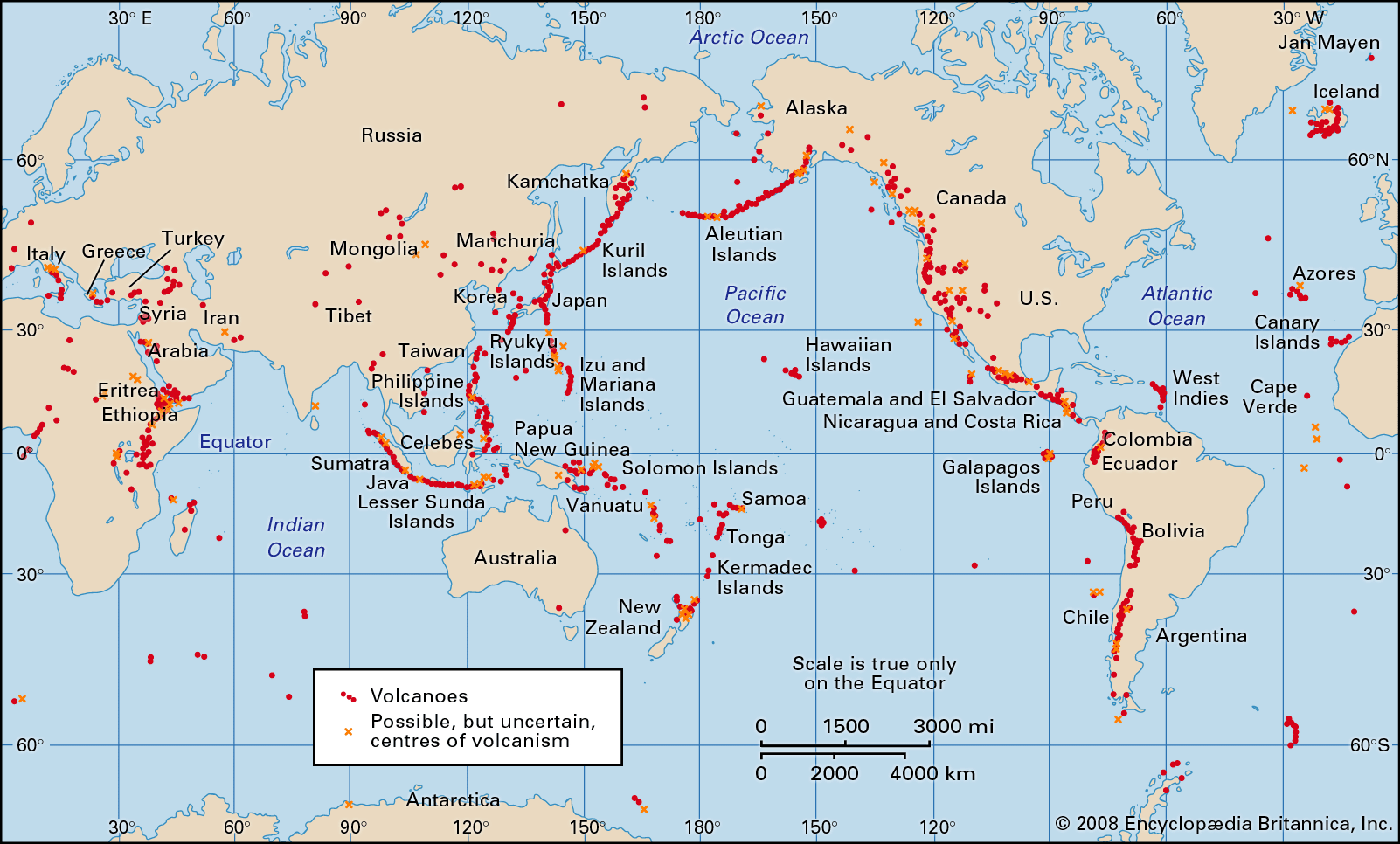
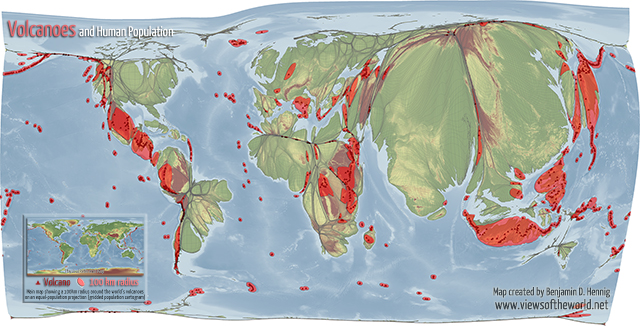
Task 3 - Complete the activities set out on the worksheet above. If you need to see the maps more clearly, you can click on both of them above and they will enlarge.
Task 4 - Complete the features of a volcano worksheet below.
Task 5 - Please watch both of short documentary clips below. Video 1 is about the recent eruption on Las Palmas, in Spain. Video 2 is about the constantly erupting volcano on Hawaii. These videos will help us to understand the next section of work on the different types of volcanoes.
|
|
|
The Three Types Of Volcanoes
|
|
|
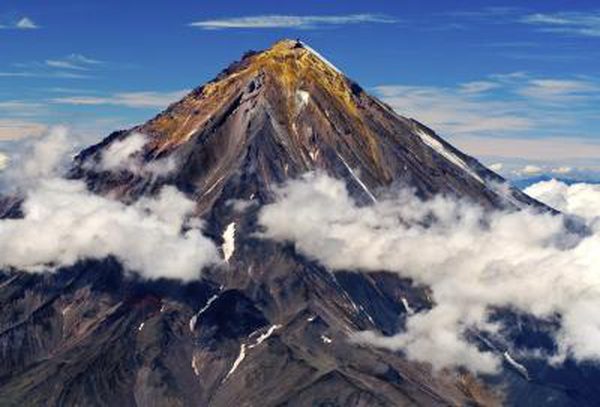
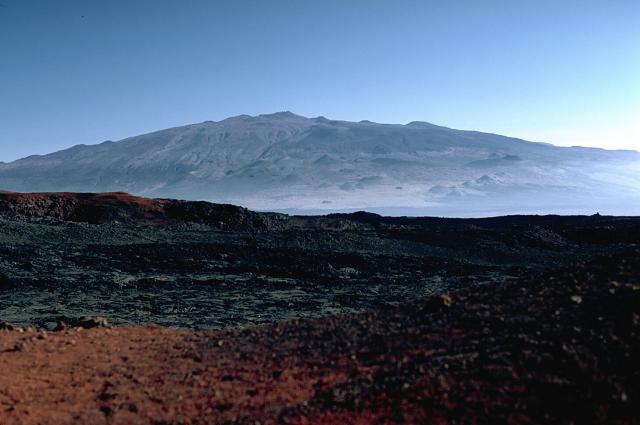
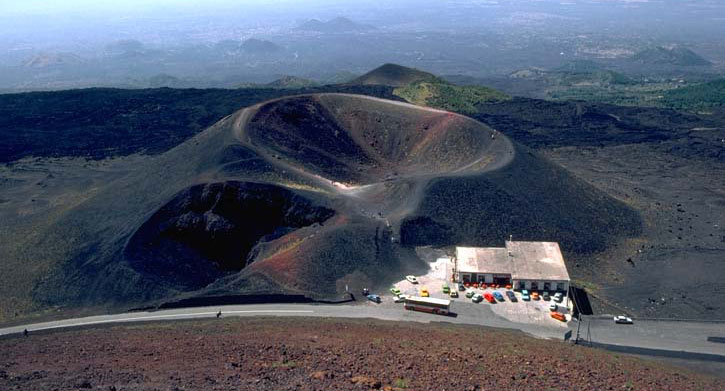
The images above show the three different types of volcanoes that are found around the world. The first one is perhaps the most famous example of a volcano and we recognise its shape and form. The other two are less well know but still produce some spectacular eruptions. The shape and size of the volcano is linked to the type of lava that is emitted from the volcano. Runny or sticky lava will solidify at different rates and produce very different shaped volcanoes.
Task 1 - Use a printed out copy of the worksheet in the tab below to conduct some independent Google research into the three different types of volcanoes.
This site will help you for the research and for the diagrams of each of the three types of volcanoes.

Task 2
Click on the Google Earth logo to the right to access a tour of 10 of the most famous volcanoes on Earth. You will see that most of the volcanoes on the tour are a very specific type of volcano (see Task 1 work).
Take some time to explore each of the volcanoes and then choose one that interests you. Create a fact sheet all about the volcano and include the following things:
The type of volcano. The location. An eruption event. Images of the volcano (with sources). A map.
Deadly Killers - Pyroclastic Flows
|
|
|
Task 1 - Watch the first video above and carry out a 5 minute research task to answer the following questions on the worksheet:
a. What causes pyroclastic blasts?
b. How fast can they travel?
c. How hot can they be inside?
d. What effect do they have on the human body?
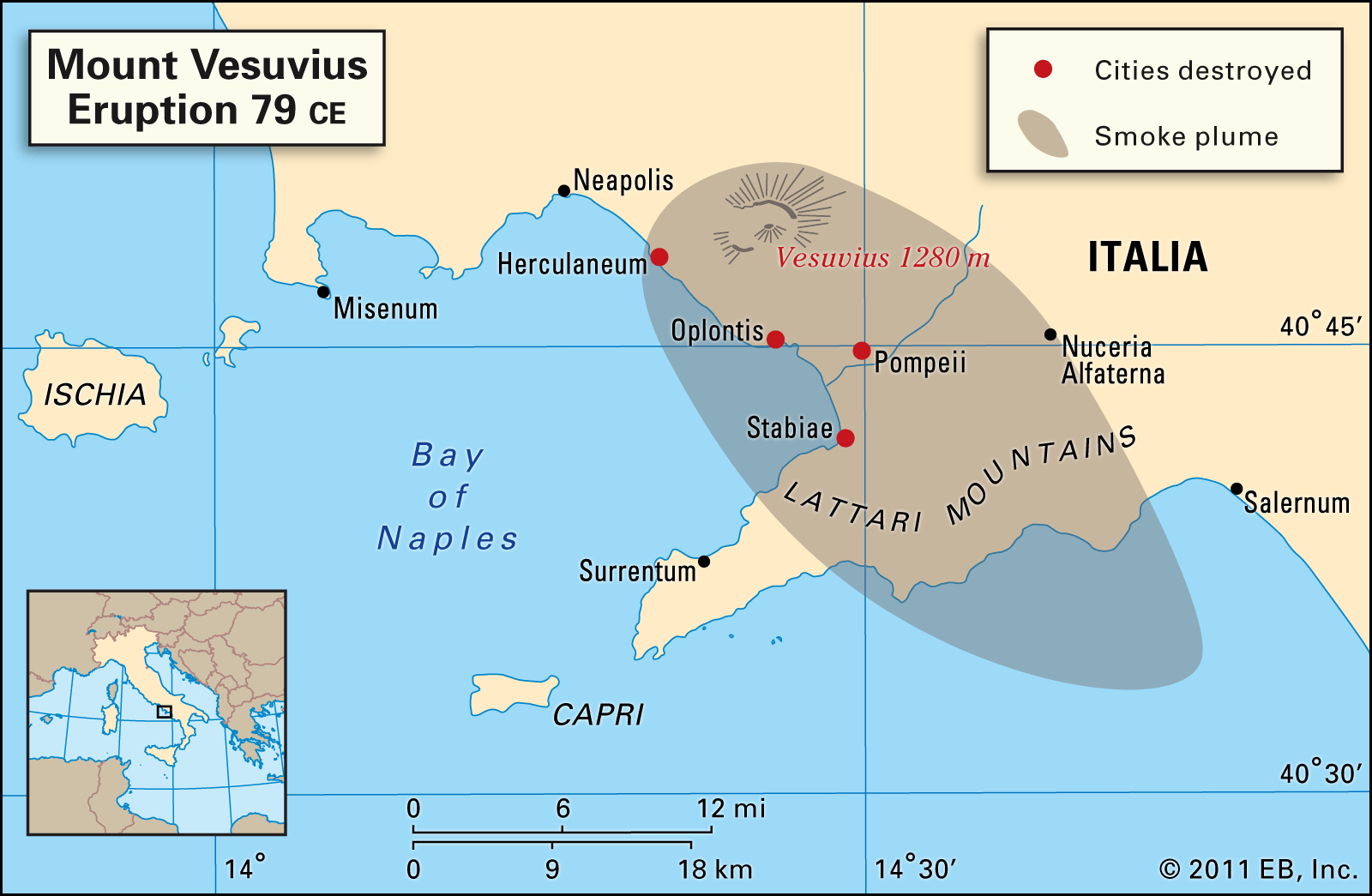
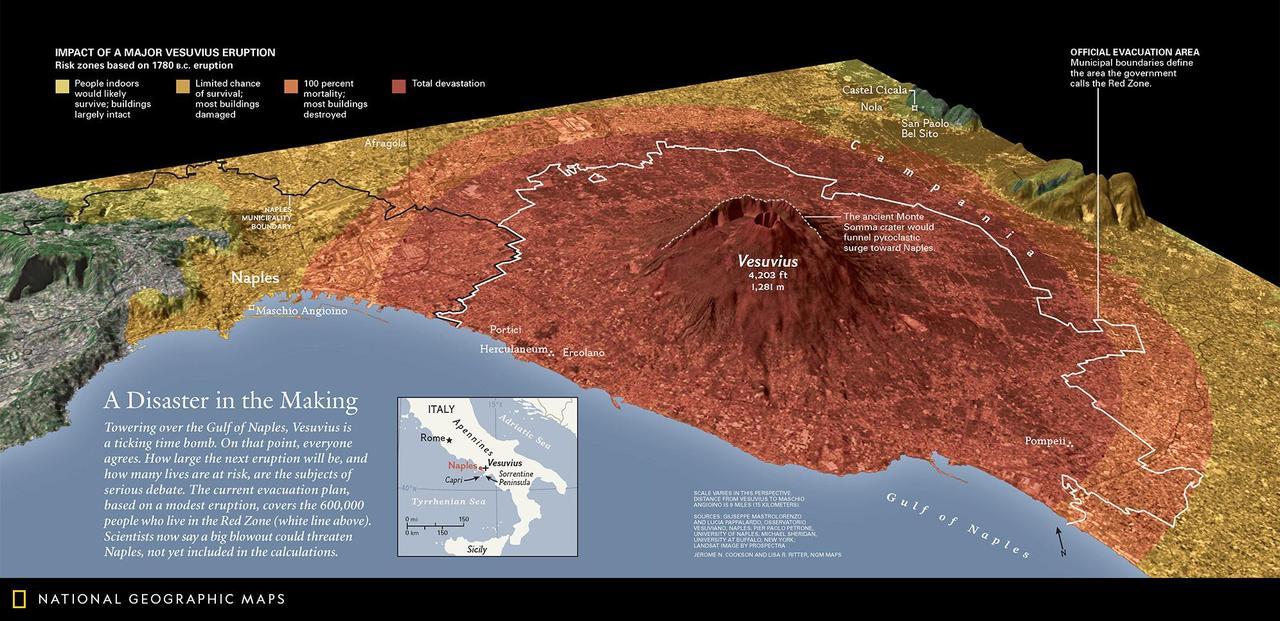
Task 2 - You are going to find out about the most famous pyroclastic flow of all time. The place is Pompeii and the volcano is called Vesuvius.
Click here to be taken to a Google Earth view of our location. The ancient city of Pompeii is highlighted in red to the south east of Mount Vesuvius.
Complete the activity on the worksheet.
Now zoom in to the crater of Mt Vesuvius (link) and then then pick up the little person and drag to an area highlighted blue close the crater of the volcano.
Take a good look around you and get a feel for the landscape. If you choose a good location, you will be able to see inside the crater and down towards the old city of Pompeii. Here is an example.
Complete the activity on the worksheet.
Task 3 - Now watch the first 'A Day in Pompeii' video below. Make notes on the destruction including, sights, sounds, feelings and probable smells.
Complete the activity on the worksheet.
|
|
|
Task 4 - Complete the activities on the worksheet. If the ArcGIS link does not work, simply use Google to find out the answers to the questions and use the map above for the final question.
Task 5 - The body detectives
There are two distinctive types of bodies that you can still see today in both Herculaneum and Pompeii. On your worksheet, you will see photos of both examples.
Use this weblink and the second video above to help you to find out why they are both so different.
You may also use this PowerPoint to help you.
Complete the activity on the worksheet.
Pompeii Mini Assessment
Watch the short 3 minute video below to remind yourself of what happened on that fateful day in August 79AD.
To complete this assessment, you can choose one of the two tasks below. You do not have to complete both tasks. Read the instruction carefully and study the mark scheme for each to see what is expected of you.
Task 1 - Using this famous diary written by an eyewitness, create a piece of artwork or a model that shows the effect of the eruption of Mount Vesuvius on Pompeii.
Task 2 - Create a presentation slide show / film to be shown at the Pompeii visitor centre. To start off with, you should use this template to carry out your research and gather all the information necessary. Once you have checked this with your teacher, you may start to put together the final piece of work.
Become a real expert
Check out the documentary video below, in your own time!
Why Do We Live So Close To Volcanoes?
Starter: We have been studying volcanoes now for a few weeks. Time for a recap on all the work we have done so far. Get your headphones out and spend 7 minutes watching the video above. No need to take notes. You can activate the subtitles on the video if you wish.
So, we have seen the awesome power of volcanoes and the damage and destruction that they can cause to vulnerable communities (Pompeii and more recently in La Palma, Spain). So, why do people live so close to these potentially lethal volcanoes? Scroll down to find out more.
Task 1 - Download the worksheet above. To complete it, you will need to watch the video above 'Volcano Benefits'. You will need to complete the questions on the worksheet. You will need to pause and rewind the video. Activate the subtitles if you need to.
Zafferana Etnea Needs You!
|
Task 2 - Check out the Google Streetview to the right. It is taken on a residential toad in Zafferana. Zoom in and you will see the craters on the summit of Etna. Click here for a Google Map.
Task 3 - Click this link to see what Mount Etna is doing today! Active or Dormant? Can you see any sign of life? Go back to the Google Map above and zoom out until you can see the town of Zafferana Etnea. Found it? Here's the story. Zafferana Etnea lies about 12 km south east of the crater of Mount Etna. Since 1992, the town and its inhabitants have been under threat from Etna erupting. Check out the two videos to the right. They give you an idea why Etna worries the town so much. In the past 20 years many people have left the town and never returned. They have been too scared to stay. Mount Etna has been dormant since May 2019 and Luigi, the mayor of Zafferana, has asked for your help.
"I need to get my people back to Zafferana. How can I get them back? Many people are scared of the volcano but it is very important in many ways. Help me to fill empty houses and make this town alive again" Your Mission Inform people of the potential BENEFITS of living close to Mount Etna and how they can stop the lava from future eruptions from damaging their homes. You can listen to this really excellent 9 minute podcast too. You can present these in one of the following ways: 1. Poster 2. Radio Broadcast 3. Short Film 4. Live Act You will only be paid if people eventually move back to Zafferana, so think carefully about how you are going to persuade them. Extra Resources - Click here for the BBC page on Mount Etna. Study this page carefully and perhaps watch 'Active Mount Etna'. |
|
To finish off - Watch the short BBC documentary below that outlines how people live with Mama Etna. Warning, there is some blood in the film!
Mount Etna Newspaper Task
Task 1 - Click here to access the Etna Booklet. Study this carefully. This shows you what has been done in the past to try to save vulnerable communities from the lava flows.
Task 2 - Read this article and listen to this audio report about the attempts to divert the lava away from populated areas of the volcano.
Task 3 - Use this framework as well as the two videos below (second video up to 3:50) to create a newspaper article about the recent eruption of Mount Etna in 2019. You may want to make reference to previous eruptions and what happened then.
Stop Check: An example of good practice is here.
Task 2 - Read this article and listen to this audio report about the attempts to divert the lava away from populated areas of the volcano.
Task 3 - Use this framework as well as the two videos below (second video up to 3:50) to create a newspaper article about the recent eruption of Mount Etna in 2019. You may want to make reference to previous eruptions and what happened then.
Stop Check: An example of good practice is here.
|
|
|
Want To See More?
Watch the video below (on the right) from 36 minutes until the end. Find out what happens when a famous volcanologist gets a bit too up close and personal to Mount Etna!
Build Your Own Volcano
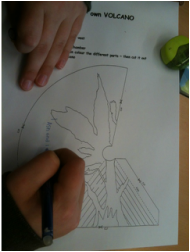
Objective: To contruct a 3D volcano that contains annotated labels and shows some of the reasons why people live so close to volcanoes.
Starter: Click here to be taken to a virtual volcano constructing site. Spend 10 minutes exploring volcanoes and then set off your own!!
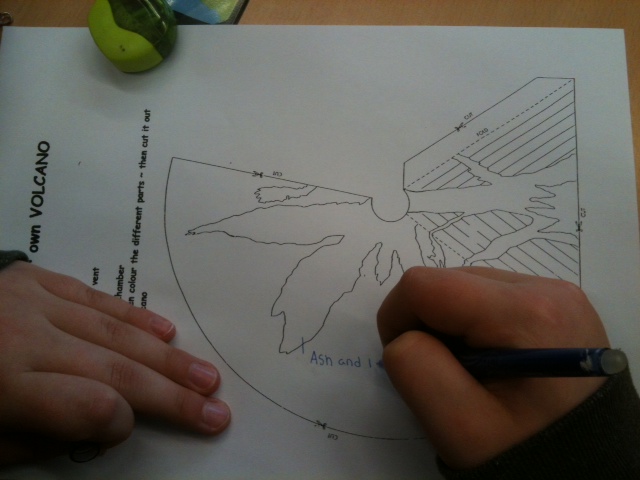
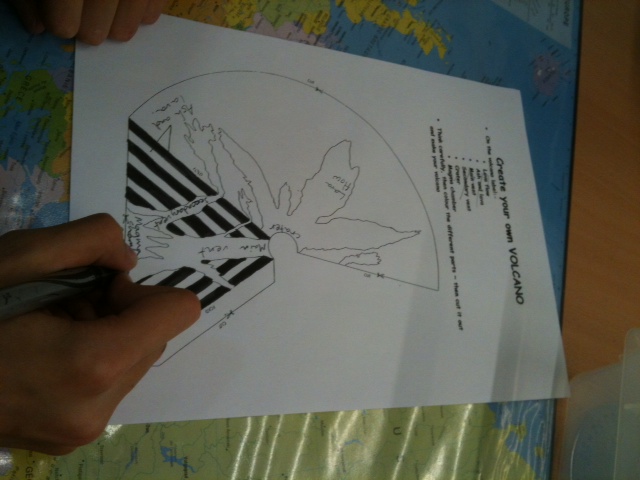
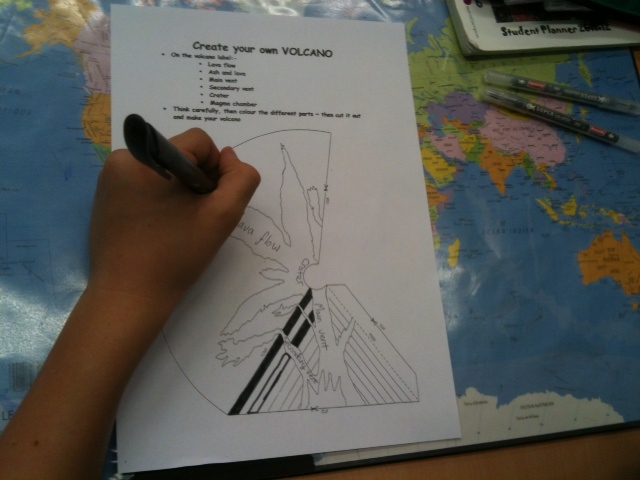
Task 1 - Click here to download the volcano outline. Follow the instructions carefully to label, cut and then create your 3D volcano
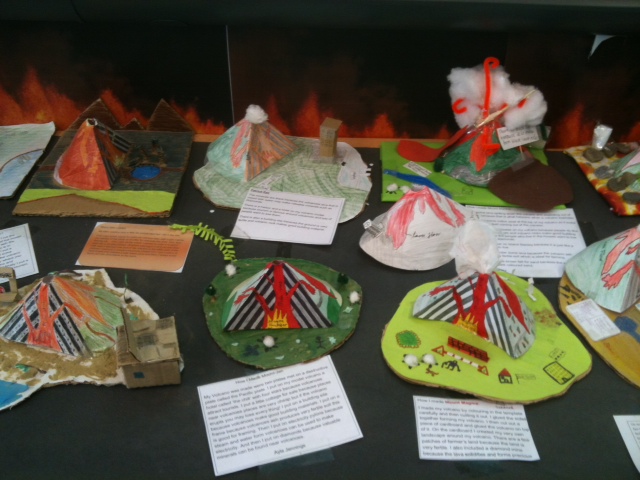
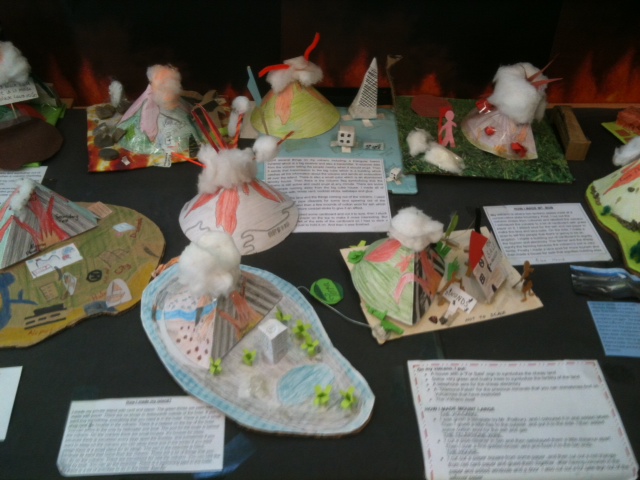
Task 2 - Create a suitable base for the volcano and add some features to the surrounding area. Can you remember why so many people live so close to volcanoes? Perhaps you could even include a volcanologist studying it from a safe distance! See the examples below from last year. Wow!
Other resources - Click here
Starter: Click here to be taken to a virtual volcano constructing site. Spend 10 minutes exploring volcanoes and then set off your own!!
Task 1 - Click here to download the volcano outline. Follow the instructions carefully to label, cut and then create your 3D volcano
Task 2 - Create a suitable base for the volcano and add some features to the surrounding area. Can you remember why so many people live so close to volcanoes? Perhaps you could even include a volcanologist studying it from a safe distance! See the examples below from last year. Wow!
Other resources - Click here

Click to set custom HTML