
a brief history of migration
Introduction to Migration
Objective: To be able to discuss the causes of migrations, both forced and voluntary.
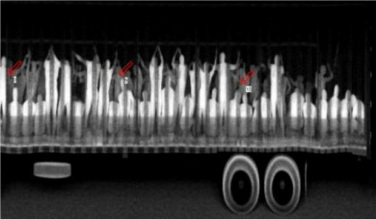
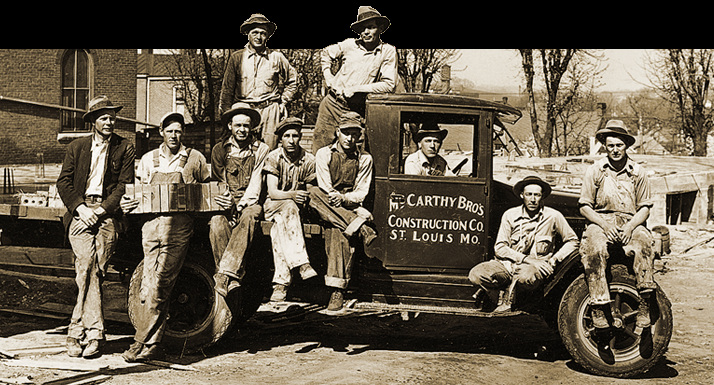
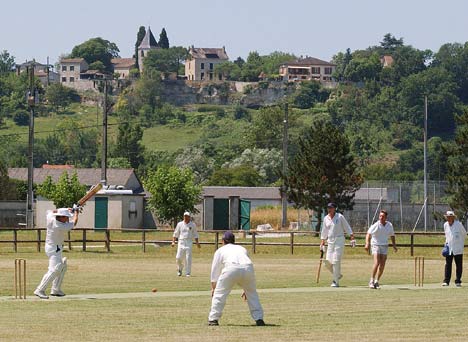
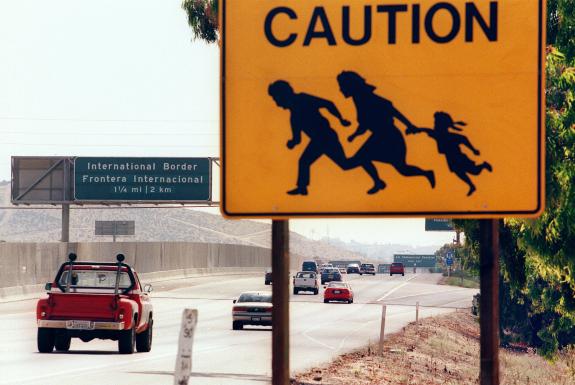
Starter task - Study the images below carefully. Click on them to make them larger. Look for clues as each image contains details of a migrations including an origin and destination. Complete the worksheet below using all your detective skills.
Starter task - Study the images below carefully. Click on them to make them larger. Look for clues as each image contains details of a migrations including an origin and destination. Complete the worksheet below using all your detective skills.





|
Task 1 - Without using the Internet to help you, use the following worksheet and add direction arrows and annotations to show all the major migration movements that you know about. These can be historical and also reflect present day movement.
Task 2 - Feedback to the teacher and then use reputable websites to add some more migration movements to your diagram. If you are struggling, you may want to use this graphic and also this brilliant interactive migration programme. Task 3 - Study the Lee's Migration Model Presentation from geographyalltheway.com and copy the Mitgration Model on slides 1 -21 (the circular diagrams). Give examples of: i. intervening obstacles ii. Positive & negatives of leaving place of origin and arriving in destination iii. an intervening place Task 4 - Watch the YouTube video 'GOOD Immigration' to the right. This will give you some quickfire facts and figures migration into one of our case study countries - USA. Then watch the two part series, Walls of Shame, underneath, taking detailed notes on the causes and effects of this migration. |
Video for task 3 Lee's Migration Model View more presentations from geographyalltheway.com |
|
|
|
Stop check - Migration
|
Objective: To know and understand our key terms and definitions for this unit of work.
Task 1: The Basics Get your Core Unit exercise book out and dust off that pen. Study the image to the right and copy down the following: 1. Terms & Definitions 2. Classification in terms of: i. Length of Stay ii. Distance Traveled iii. Reason for Movement. Task 2 -
Use the this sheet and your research skills on the internet to record and summarise migrations for the countries specified. Again, you may want to use this graphic to help you out Real life immigration story - Life undercover. My life as an undocumented Immigrant - Read this ... 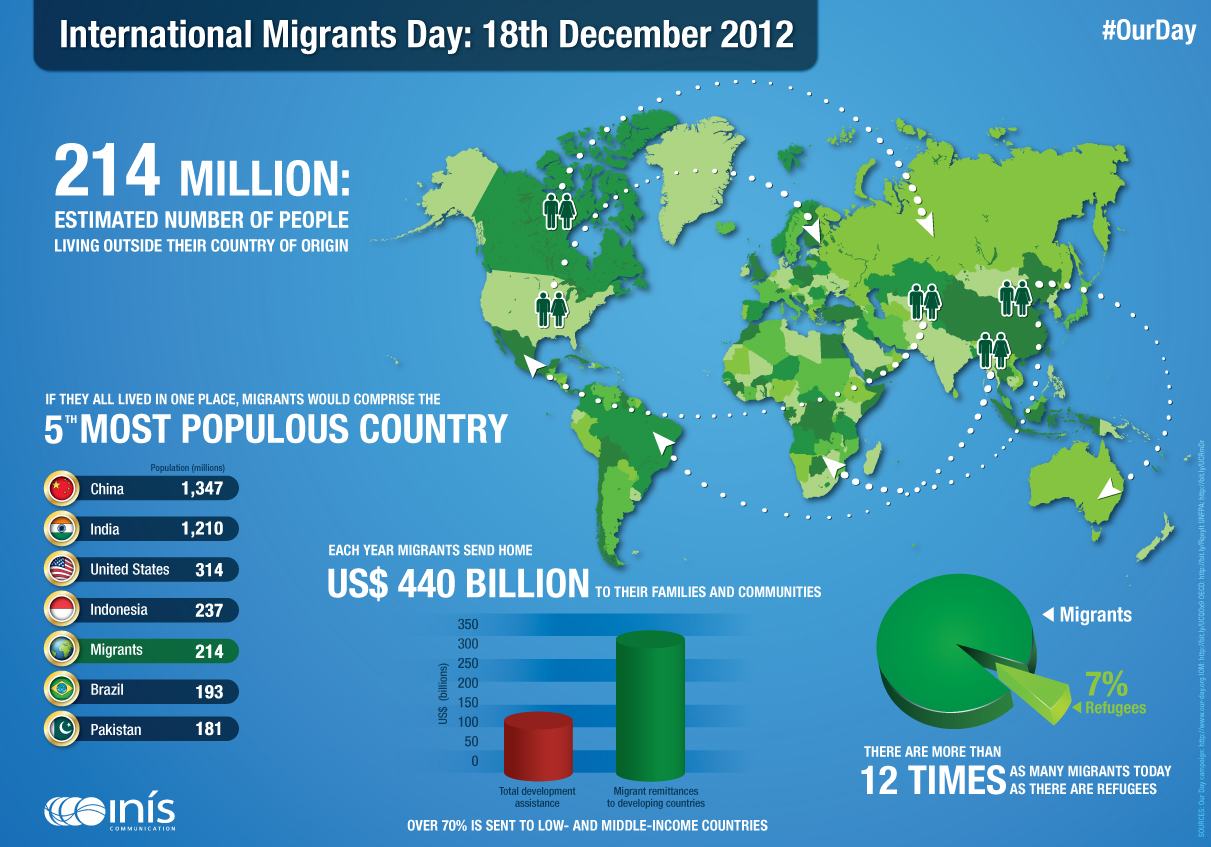
Source: INIS
|

Source: Geofile
|
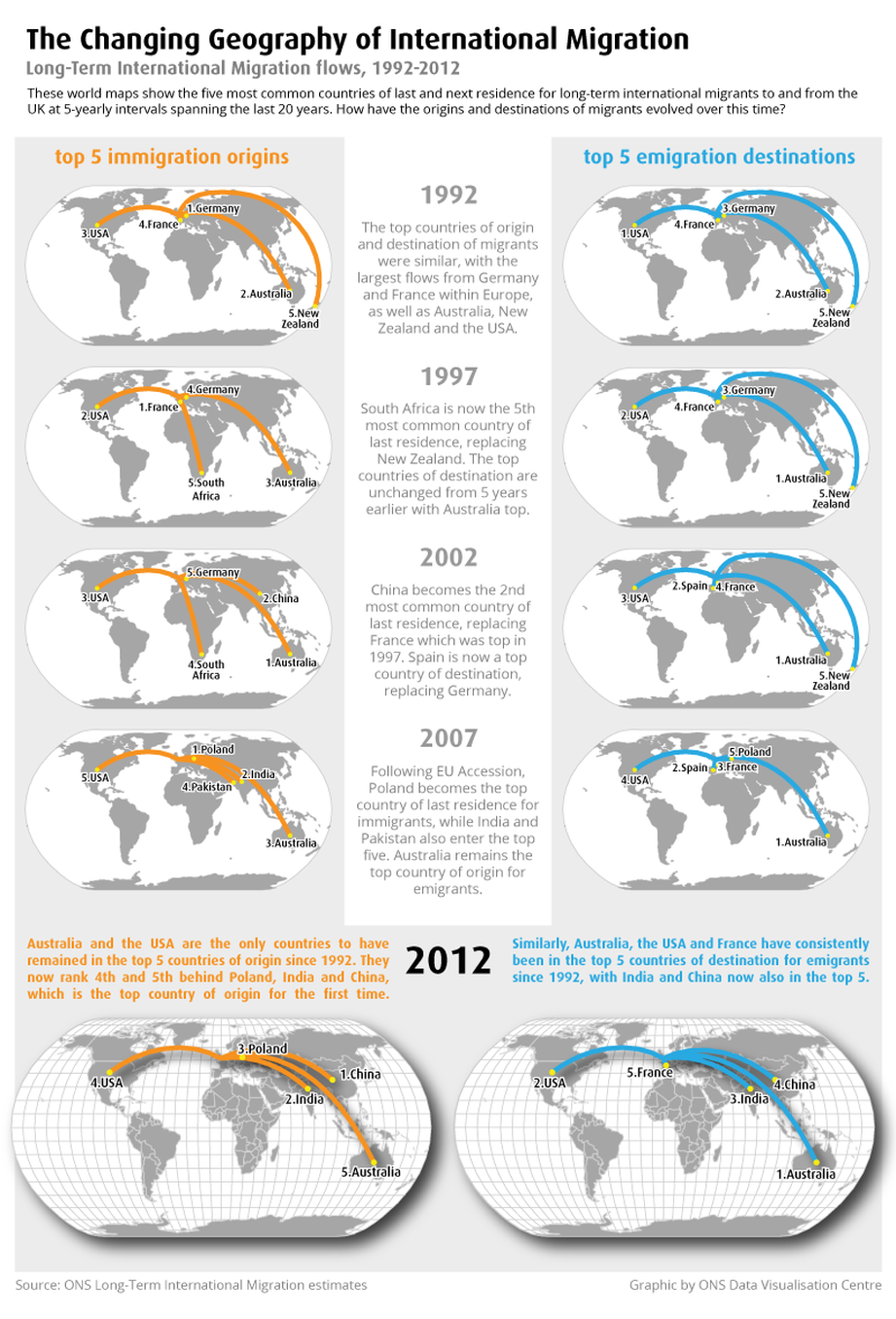
Source: http://www.ons.gov.uk/ons/rel/migration1/migration-statistics-quarterly-report/november-2013/world-map.html
External Migration
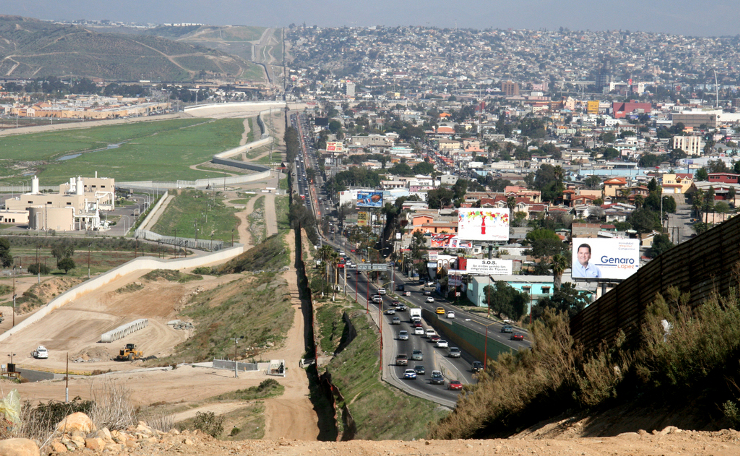
Photo taken on USA / Mexico Border
Objective: Evaluate international migrations in terms of their geographic (socio-economic,
political and environmental) impacts at their origins and destinations.
Interactive Resource - Blue Servo. Virtual Border Control
Case study - Mexico to USA (and back again....2015)
Background 1: Study the embedded presentation below entitled IB Geography Migration Models. Refresh your knowledge by studying slides 1-6. Use this sheet to make notes on the five main features of Ravensteins Model of Migration (slide 10-12). What are the limitations of using this model?
Background 2: Make a copy of the 'Step Migration' model on slide 13 and 'Circular Migration' on page 15.
Task 1: Check out this site. It shows how external migration into different USA states has changed in the last 100 years. Write a brief commentary that explains what changes have occurred.
Task 2: Study the embedded presentation below entitled 'Migration - IB Geography Labour Flows'. Read up carefully on the background stats regarding the migration situation in the USA & Mexico. Make a note of the key development indicators for both the USA and Mexico.
Task 3: Remittances and the economic impact of migration. Click here to be taken to an article covering the issue of remittances between the USA & Mexico. Read the first three paragraphs and complete the following:
i. What is a remittance?
ii. How much money is sent back from the USA to Mexico annually?
iii. Where in the ranking of 'most important industries' does remittances come?
Task 3. You are going to complete the A3 summary sheet activity based on the geographyalltheway.com idea. Click here and scroll down to the table task at the bottom and using the resources here and there, start putting together the information to complete this activity.
Additional Resources
A human story - Typical characteristics
Click here for an update on the migration situation in Mexico (2012)
Interactive Resource - Blue Servo. Virtual Border Control
Case study - Mexico to USA (and back again....2015)
Background 1: Study the embedded presentation below entitled IB Geography Migration Models. Refresh your knowledge by studying slides 1-6. Use this sheet to make notes on the five main features of Ravensteins Model of Migration (slide 10-12). What are the limitations of using this model?
Background 2: Make a copy of the 'Step Migration' model on slide 13 and 'Circular Migration' on page 15.
Task 1: Check out this site. It shows how external migration into different USA states has changed in the last 100 years. Write a brief commentary that explains what changes have occurred.
Task 2: Study the embedded presentation below entitled 'Migration - IB Geography Labour Flows'. Read up carefully on the background stats regarding the migration situation in the USA & Mexico. Make a note of the key development indicators for both the USA and Mexico.
Task 3: Remittances and the economic impact of migration. Click here to be taken to an article covering the issue of remittances between the USA & Mexico. Read the first three paragraphs and complete the following:
i. What is a remittance?
ii. How much money is sent back from the USA to Mexico annually?
iii. Where in the ranking of 'most important industries' does remittances come?
Task 3. You are going to complete the A3 summary sheet activity based on the geographyalltheway.com idea. Click here and scroll down to the table task at the bottom and using the resources here and there, start putting together the information to complete this activity.
Additional Resources
A human story - Typical characteristics
Click here for an update on the migration situation in Mexico (2012)
|
Migration - IB Geography Labour Flows View more PowerPoint from geographypods |
IB Geography: Population: Migration Models View more presentations from geographyalltheway.com |
Internal Migration
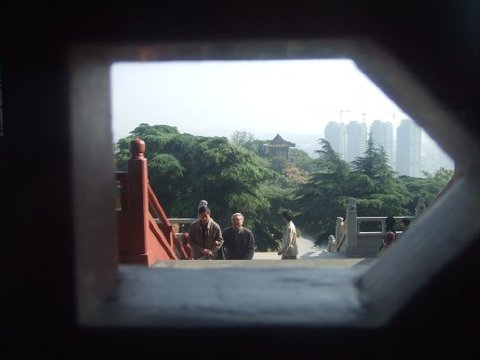
Nanjing, China. 2007.
Objective: Evaluate internal (national) migrations in terms of their geographic (socio-economic, political and environmental) impacts at their origins and destinations.
Task 1 - Watch the first 2:44 YouTube video underneath. Complete the following questions:
a. How many people have left rural areas to seek work?
b. Outline the reasons why people left.
c. In 1978, how much did farmers earn?
d. What are the negative aspects of migration?
e. What has happened to the wealth gap over time?
f. What changes has Shenzhen seen since 1978?
g. Outline the comparative GDP values of coastal regions compared to western countries.
h. What change is China seeing in terms of location of manufacturing industry?
Task 2 - Now read this Telegraph newspaper story from 2012.
a. Where are people moving to and from?
b. Why are the government moving them?
c. What is the comparative disposable income totals for rural and urban areas?
d. How many people live below the poverty line in Guizhou province?
e. What basic amenities are still missing or substandard in rural areas?
Task 3 - You will be using geographyalltheway.com for this section of the work. Click here to be taken to the relevant page.
Task 1 - Watch the first 2:44 YouTube video underneath. Complete the following questions:
a. How many people have left rural areas to seek work?
b. Outline the reasons why people left.
c. In 1978, how much did farmers earn?
d. What are the negative aspects of migration?
e. What has happened to the wealth gap over time?
f. What changes has Shenzhen seen since 1978?
g. Outline the comparative GDP values of coastal regions compared to western countries.
h. What change is China seeing in terms of location of manufacturing industry?
Task 2 - Now read this Telegraph newspaper story from 2012.
a. Where are people moving to and from?
b. Why are the government moving them?
c. What is the comparative disposable income totals for rural and urban areas?
d. How many people live below the poverty line in Guizhou province?
e. What basic amenities are still missing or substandard in rural areas?
Task 3 - You will be using geographyalltheway.com for this section of the work. Click here to be taken to the relevant page.
- You will need an A3 copy of the positive/negative framework sheet to record down your information.
- Watch the second video underneath using the information within to help you to complete your A3 sheet.
- Also, the embedded presentation from Mr Allaway will also be very useful.
|
|
|
|
Homework Task - Migration Podcast
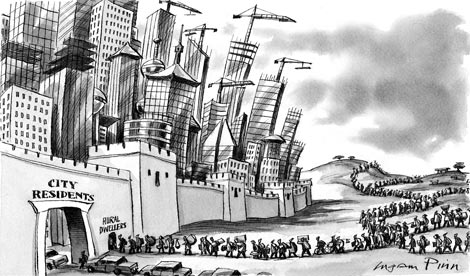
Click here to be taken to a Guardian Online Podcast - It examines the scale of migration and what does this mean for developing countries? Make notes on the effects of migration on development and the different arguments and viewpoints from the guest speakers. What is "Brain Drain" and "Brain Gain"? IB Paper 1 Exam Style Question Migrations within a county's borders have greater negative impacts at their origin than their destination.' Discuss this statement. (15) You must include and refer to the first image (red map) in your essay. |
Additional Stimulus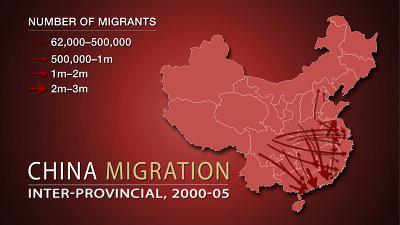
|